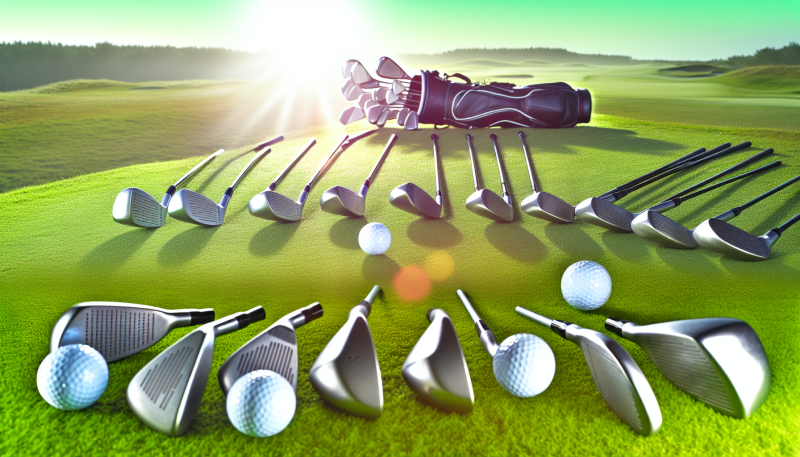
When you're diving into the world of golf, picking out your first set of clubs can feel a bit overwhelming. But don't sweat it! Here are some key things to keep in mind so you can make the right choice.
First off, consider your skill level. If you’re just starting out, you might want to go for a set that's forgiving and easy to hit. Look for clubs that have a larger sweet spot, which helps you get better contact even if you don’t hit the ball perfectly. Game improvement clubs are often designed with beginners in mind, offering some extra help with accuracy and distance.
Next, pay attention to the clubhead design. There are two main types: cavity back and blade. Cavity back clubs are generally more beginner-friendly because they provide more stability and help with forgiveness on off-center hits. If you’re feeling adventurous and think you’ll improve quickly, you can look into blades later on.
Don't forget about the shaft! The flexibility of the shaft affects how the club feels during your swing. Beginners often do well with a regular flex shaft because it offers a nice balance of control and distance. If you're taller or have a faster swing, you might want to consider a stiff shaft instead.
Lastly, don’t overlook the grip. It’s the only connection you have with the club, so it needs to feel comfortable! Try a few different sizes and styles to see what feels best in your hands. A good grip will help you maintain control throughout your swing, which is key for hitting those great shots.
Understanding Different Club Types
When you step onto the golf course for the first time, figuring out which club to use can feel overwhelming. There are a few main types of clubs, and each serves a different purpose. Understanding these will help you pick the right clubs to match your playing style.
Drivers: These are your best friends off the tee. Drivers are designed for distance. They have a large head and a long shaft, which helps you hit the ball far and straight. If you want to make a big impression on the first hole, a driver will help you do just that!
Irons: Irons come in various types, numbered from 3 to 9, plus pitching and sand wedges. They’re great for approaching the green and getting the ball into the air. Higher-numbered irons have shorter shafts and are easier to control for those accurate shots. If you're looking to be precise, you’ll want a solid set of irons.
Wedges: Wedges are specialized irons. They’re perfect for getting out of tricky spots, like bunkers or when you're just a short distance from the green. They have a higher loft, which means the ball goes up quickly. If you want to improve your short game, invest in a couple of good wedges.
Putters: Every golfer needs a putter to sink those crucial shots on the green. Putters come in various shapes and weights, so you'll want to find one that feels comfortable in your hands. A good putter can really improve your score, so don’t skimp on this club!
Getting the Right Club Fit
First off, let's talk about length. The length of your clubs should match your height and arm length. If they're too long or short, it can mess up your swing. Most golf shops have fitting sessions where they measure you and suggest the correct club lengths. It doesn’t hurt to invest some time here—it's not just about looks!
Then, there's the grip size. It’s not just about how the club feels in your hands but also about how it affects your swing. If the grips are too thick, you might struggle to control your shots. If they’re too thin, you could develop blisters and inconsistencies. Try out different sizes before you make a choice; it makes a big difference.
Finally, consider the type of clubs you need. There are various styles, like cavity backs for forgiveness or blades for more control. If you’re just starting, you might want to lean towards more forgiving clubs to help you get the hang of things. Talk to a pro or someone at the store; they can guide you based on your skill level and goals.
Taking the time to get your club fit right can change your game for the better. Don't rush through this step—you want to feel good about the clubs you choose. The right equipment can keep you excited about improving and learning more about this awesome sport!
Budgeting for Your First Set
Getting into golf is exciting, but when it comes to buying your first set of clubs, budgeting is super important. You don’t need to break the bank to find a set that works for you. Think about what you can realistically spend without stretching your finances too thin.
Most beginners can find a decent set of clubs ranging from $300 to $800. This price range usually includes a driver, a couple of woods, some irons, a putter, and maybe even a bag. Brands offer great starter packages that deliver quality without the hefty price tag. Keep an eye out for sales or discount seasons where you can snag even better deals.
If you're on a really tight budget, consider looking at used clubs. Second-hand shops or online marketplaces are full of options that can save you silly amounts of cash. Just make sure to check the condition before you buy—no one wants a club that’s been through the wringer!
Don’t forget about other expenses like balls, tees, and maybe a few accessories. Set aside a little extra for these essentials, usually around $100 altogether. This way, you’ll be fully prepared to hit the course without any surprises.